Mumbai FDA Takes Action Against Five Clubs
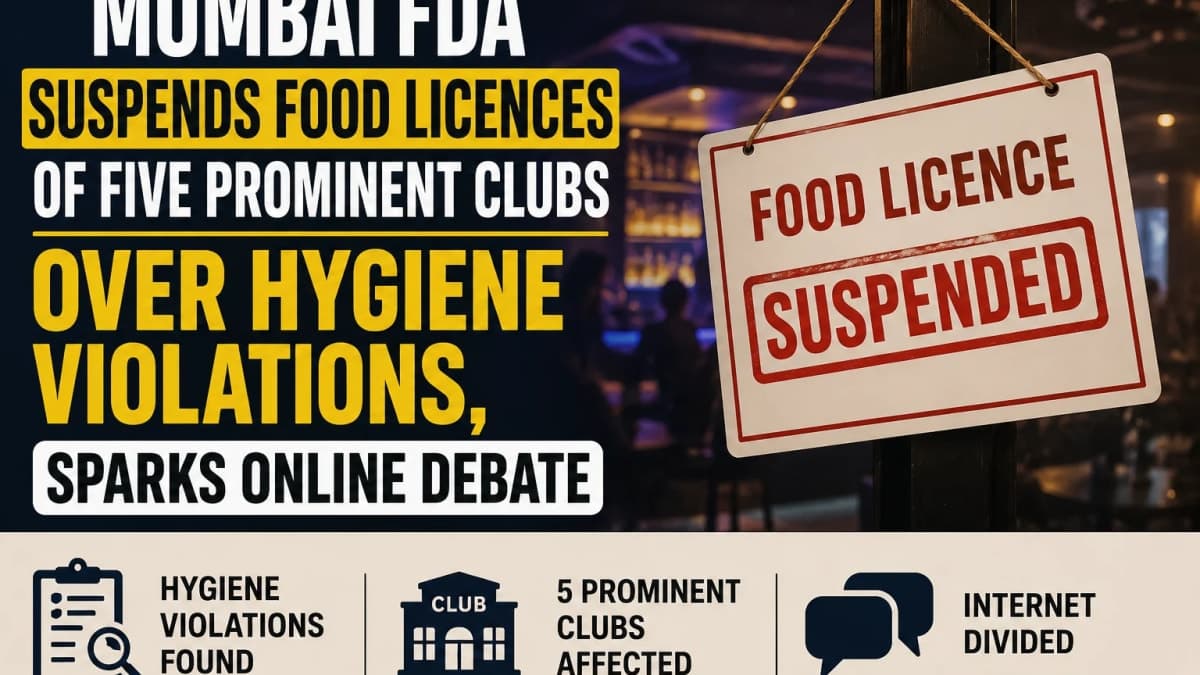
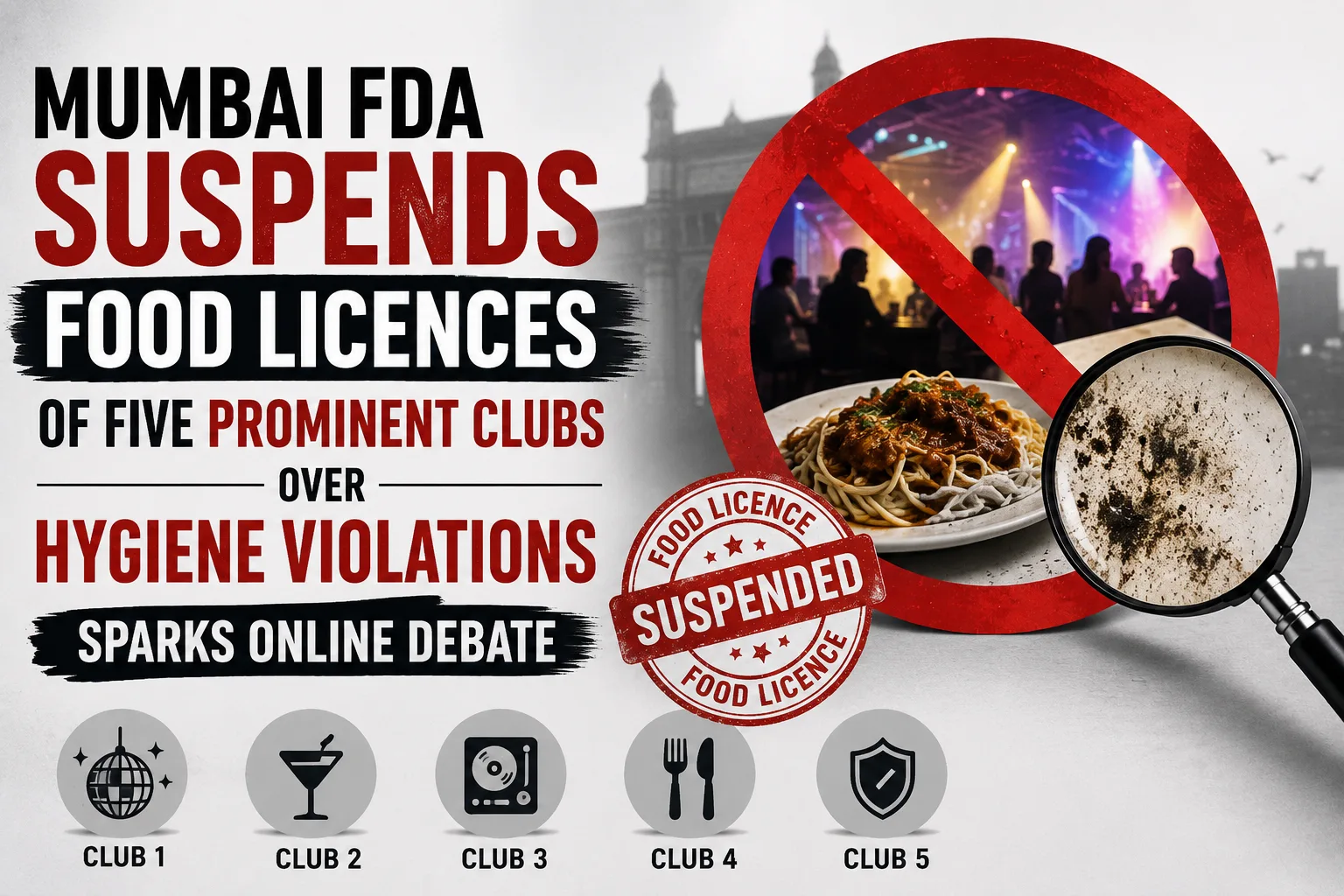
The Maharashtra Food and Drug Administration (FDA) has suspended the food licences of five prominent clubs in Mumbai after inspections reportedly uncovered hygiene-related violations. The regulatory action has drawn significant public attention, particularly on social media, where reactions have ranged from strong support for stricter enforcement to criticism of the operation.
The decision means the affected establishments face restrictions on serving food until they address the identified shortcomings and meet the required food safety standards set by the authorities.
What Prompted the Action?
According to the reported findings, FDA officials conducted inspections as part of their responsibility to monitor compliance with food safety regulations. The inspections allegedly revealed hygiene deficiencies significant enough to warrant suspension of the clubs' food licences.
While authorities have emphasized that food safety remains a public health priority, the clubs involved are expected to take corrective measures before resuming normal food service operations, subject to regulatory approval.
Online Reactions Split Public Opinion
The enforcement drive quickly became a topic of discussion across social media platforms. Some users welcomed the FDA's action, arguing that food establishments—especially well-known clubs serving large numbers of customers—must be held to high hygiene standards regardless of their reputation.
Others questioned whether similar inspections are conducted consistently across all food businesses or whether the action disproportionately targeted high-profile venues. The phrase "elite-level scam" also circulated online, reflecting criticism from some internet users, although it represents public opinion rather than any official finding.
The differing reactions highlight the broader public debate over regulatory enforcement and transparency.
Food Safety Remains a Public Health Priority
Food hygiene regulations are intended to reduce the risk of contamination and food-borne illnesses. Regulatory bodies regularly inspect restaurants, clubs, hotels, and catering facilities to ensure compliance with sanitation, storage, food handling, and kitchen maintenance standards.
When serious violations are detected, authorities may issue notices, impose penalties, suspend licences, or require establishments to complete corrective actions before reopening food operations.
Such enforcement measures are designed not only to protect consumers but also to encourage businesses to maintain consistent hygiene practices.
Why This Development Matters
The suspension of licences at several prominent clubs underscores that food safety regulations apply equally to high-profile establishments and smaller businesses. The incident also reflects growing public expectations for transparency in food inspections and accountability in the hospitality industry.
As consumers become increasingly aware of hygiene standards, regulatory actions often receive significant public attention and can influence trust in restaurants, clubs, and other food service providers.
Balanced Analysis
The FDA's action reinforces the importance of maintaining hygiene standards in commercial food operations. Strong regulatory oversight can help safeguard public health and encourage better compliance across the hospitality sector.
At the same time, businesses affected by enforcement actions are entitled to address inspection findings and complete corrective measures through the established regulatory process. Public discussions surrounding the case also illustrate the need to distinguish between verified regulatory findings and opinions circulating on social media.
Conclusion
The suspension of food licences for five prominent Mumbai clubs has placed food safety and regulatory enforcement in the spotlight. As the affected establishments work toward compliance, the incident serves as a reminder that maintaining hygiene standards is essential for protecting public health and preserving consumer confidence in the hospitality industry.