EV Startup River Mobility Secures $120 Million for Manufacturing Expansion
Electric vehicle startup River Mobility has secured $120 million in funding as it looks to expand its manufacturing capacity, marking a significant capital infusion for the company as competition across the electric mobility industry continues to intensify.
The funding gives River Mobility additional financial resources to strengthen the manufacturing side of its business. For an EV startup attempting to grow beyond its early stages, production capacity can become one of the most important factors determining how quickly it can respond to demand and establish a larger market presence.
The development also comes at a time when electric mobility companies are increasingly focused not simply on developing vehicles but on creating the manufacturing infrastructure required to produce them at scale.
$120 Million Funding Puts Manufacturing in Focus
River Mobility intends to use the newly secured capital to expand manufacturing capacity.
Scaling manufacturing is a critical phase for automotive startups. Unlike many technology businesses, vehicle companies require substantial investment in factories, equipment, components, quality control, supply chains and production processes before they can significantly increase sales volumes.
The $120 million funding therefore represents more than additional financial backing. It could give River Mobility greater flexibility to build the production capabilities required for its next stage of expansion.
However, securing capital and successfully converting that investment into efficient manufacturing operations are two separate challenges.
Why Manufacturing Capacity Matters for EV Startups
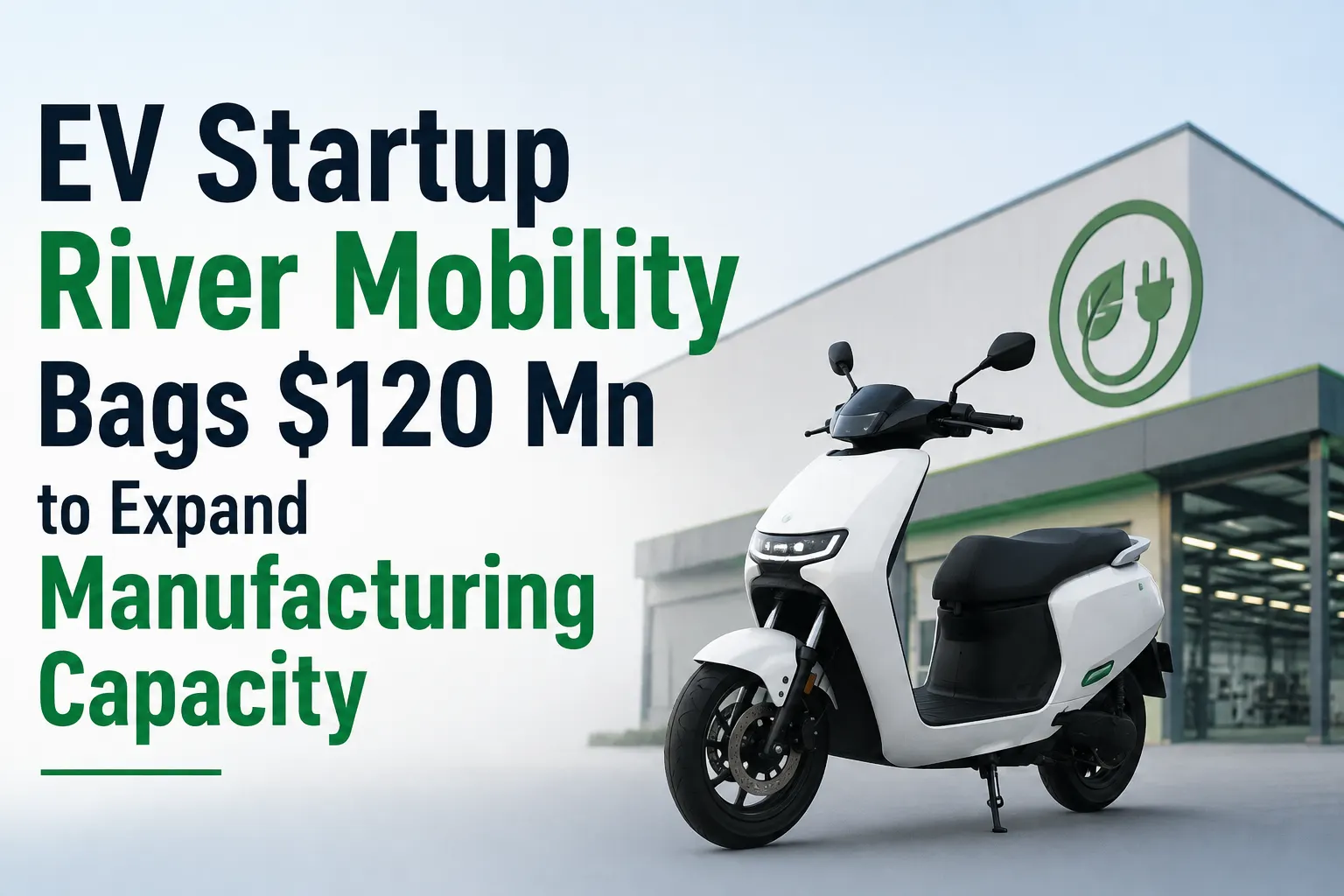
Production constraints can quickly become an obstacle for an EV company if customer demand grows faster than its ability to manufacture and deliver vehicles.
Expanding capacity can potentially help River Mobility produce more vehicles, improve supply availability and prepare for a larger commercial footprint.
Greater manufacturing scale can also create opportunities for operational efficiencies over time. Higher production volumes may allow companies to spread certain fixed costs across more vehicles, although achieving meaningful cost advantages depends on factors including component prices, factory utilization and supply-chain efficiency.
For River Mobility, the challenge will be to ensure that additional capacity is matched by sustainable market demand.
Funding Signals Continued Interest in Electric Mobility
The investment also highlights the capital-intensive nature of the electric vehicle sector.
EV startups frequently require substantial financing because they must simultaneously invest in vehicle development, manufacturing, technology, supply chains, distribution and customer support.
A $120 million funding round can therefore provide significant strategic flexibility, particularly when the capital is directed toward physical production infrastructure.
At the same time, investors across the startup ecosystem have increasingly emphasized sustainable business models and clearer paths toward profitability. EV companies must consequently demonstrate that manufacturing expansion can ultimately translate into stronger revenue and healthier unit economics.
India’s EV Market Is Becoming Increasingly Competitive
River Mobility is expanding in a market where established automobile manufacturers and younger EV companies are competing for consumers.
Electric two-wheelers have emerged as an important part of India’s broader transition toward electric transportation. Consumers now have a growing range of products to consider, making factors such as pricing, range, reliability, design, charging convenience and after-sales service increasingly important.
Manufacturing capacity alone will therefore not determine River Mobility’s success.
The startup will also need to differentiate its products and build customer confidence while competing with businesses that may have larger dealer networks, deeper financial resources or more established brands.
Scaling Production Brings New Challenges
Rapid manufacturing expansion can create opportunities, but it also introduces risks.
As production volumes increase, companies must maintain product quality and supply-chain stability. A factory operating at a larger scale requires dependable component sourcing, trained workers, effective quality controls and accurate demand forecasting.
Expanding too slowly can leave a company unable to meet demand. Expanding too aggressively, however, can leave expensive manufacturing capacity underutilized if sales do not increase as expected.
River Mobility will therefore need to balance production ambitions with realistic market demand.
Why River Mobility’s $120 Million Raise Matters
The funding is significant because manufacturing is one of the biggest barriers separating promising automotive startups from companies capable of operating at meaningful commercial scale.
Developing an attractive EV is only one part of the process. Producing that vehicle consistently, controlling costs, delivering it efficiently and supporting customers after the sale are equally important.
River Mobility’s new capital gives the startup an opportunity to strengthen one of those critical foundations.
The eventual impact of the $120 million investment will depend on how effectively the company converts additional funding into production growth, operational efficiency and customer demand.
Balanced Analysis: Funding Is an Opportunity, Not a Guarantee
River Mobility’s latest funding represents an important milestone, but capital alone cannot guarantee success in the EV industry.
On the positive side, additional manufacturing investment could help the company increase production, strengthen its operational capabilities and position itself for future growth.
On the other hand, the EV market remains highly competitive and manufacturing expansion carries substantial costs. River Mobility must ensure that its production ambitions remain aligned with sales growth while maintaining quality and controlling expenses.
The funding consequently gives the company greater room to execute its strategy, but execution itself will determine whether the investment becomes a turning point.
What Comes Next for River Mobility?
Attention will now turn toward how River Mobility deploys the $120 million and how quickly its manufacturing expansion translates into greater production capability.
Future indicators worth watching include changes in production volumes, market expansion, vehicle deliveries and the startup’s ability to compete against established and emerging EV brands.
For India’s wider EV ecosystem, the investment is another indication that manufacturing scale remains a central priority as electric mobility companies move from developing products toward building sustainable automotive businesses.
River Mobility has secured the capital for its next stage of manufacturing growth. The bigger test will be turning that funding into scale.
This article is based on reporting published by Inc42.