Marvel Studios' latest release, Spider-Man: Brand New Day, opened across Indian theatres on July 30, 2026, to eager fans of the web‑slinging hero. As is customary for Marvel pictures, audiences stayed after the closing credits hoping for a glimpse of the next chapter in the Marvel Cinematic Universe (MCU). Instead, they were presented with a surprise that blended fiction and commerce: a television commercial for TVS Motors' new Doctor Doom‑inspired motorcycle.
The ad, which aired immediately after the film’s sole post‑credit scene, featured a masked figure echoing the iconic look of Marvel villain Doctor Doom. Lines such as “Doom is here” and “Doom is wicked” led viewers to assume they were witnessing a teaser for the upcoming Avengers: Doomsday, a highly anticipated sequel that will mark Robert Downey Jr.'s return to the MCU as the formidable antagonist.
What Happened
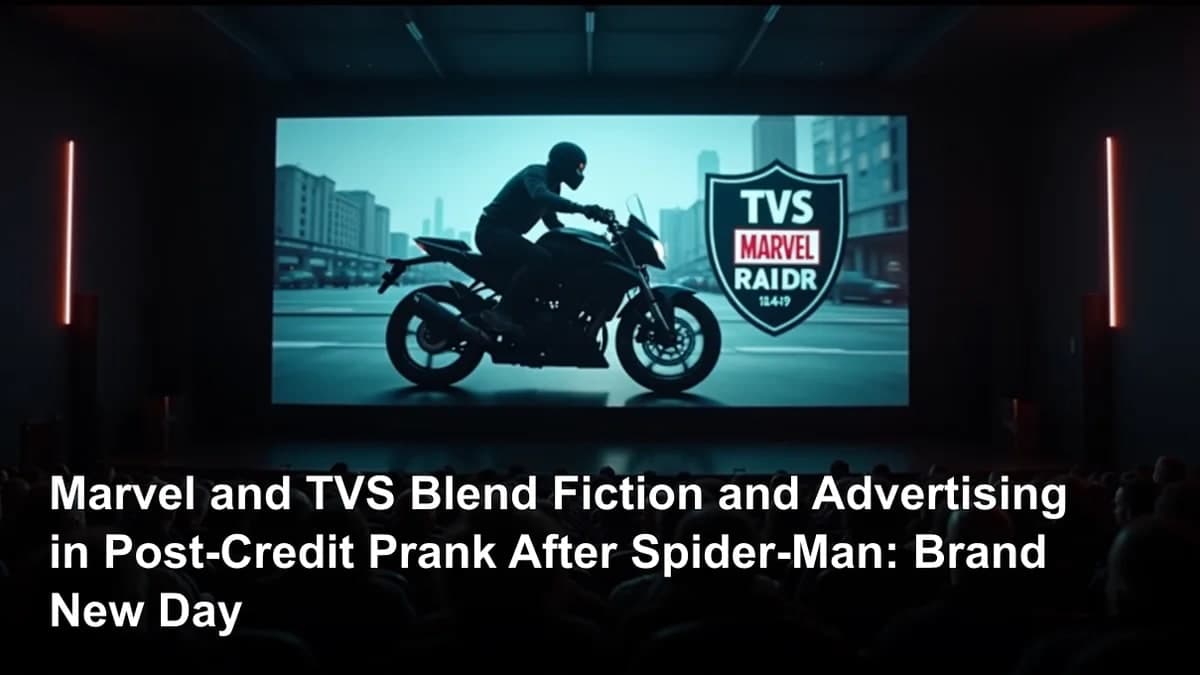
Following the brief post‑credit sequence that hinted at a larger MCU timeline shift, the screen faded to a dark cityscape. A character cloaked in Doctor Doom’s signature mask appeared, delivering the ominous tagline before revving a sleek motorcycle. The vehicle bore an Indian registration plate, and the TVS Raider branding emerged, accompanied by the Marvel logo, confirming a joint promotional effort.
Unlike conventional trailers, the advertisement did not immediately disclose its commercial nature. The initial ambiguity prompted many moviegoers to sit up, assuming they were witnessing an exclusive teaser for Avengers: Doomsday. Only when the bike’s make was revealed did the illusion dissolve, exposing the partnership between Marvel and Indian two‑wheel manufacturer TVS Motors.
Reactions inside multiplexes were immediate and varied. A duty manager at one cinema told Bollywood Hungama that this was “the first time I have seen an advertisement being placed at the very end of a film, even after the end credits.” Another manager reported that some patrons rushed back into the auditorium after hearing about the extra scene, while others expressed displeasure with boos and vocal criticism.
Social media amplified the debate. The Twitter account Marvel Stans India posted a clip of the ad, captioned with a series of crying emojis, underscoring the emotional split among fans who felt both amused and misled.
Background
Marvel’s post‑credit scenes have become a cultural staple since the early 2000s, serving as a narrative bridge between films and a marketing tool to build anticipation. The MCU’s intricate storytelling relies on these brief moments to seed future plotlines, introduce new characters, and reward dedicated viewers with insider knowledge.
TVS Motors, a leading Indian two‑wheel manufacturer, has previously partnered with entertainment franchises for limited‑edition models, but the Doctor Doom‑inspired Raider Super Squad Edition represents its most high‑profile collaboration to date. The bike’s design incorporates metallic accents and a stylized helmet motif reminiscent of the villain’s armor, aiming to attract both Marvel fans and motorcycle enthusiasts.
Why It Matters
The stunt blurs the line between storytelling and advertising, raising questions about audience consent and the sanctity of the cinematic experience. For viewers who remain after credits to catch narrative clues, an unexpected commercial can feel like an intrusion.
From a marketing perspective, the collaboration leverages the massive reach of Marvel’s fanbase to promote a niche product. By embedding the ad within a beloved franchise’s ecosystem, TVS gains exposure that traditional spots would struggle to match.
However, the mixed audience reaction suggests that the tactic may backfire if perceived as deceptive. While some patrons appreciated the creativity, others felt “tricked,” potentially eroding goodwill toward both Marvel and the brand partner.
Industry Impact
The incident may prompt other studios and advertisers to reconsider the placement of branded content within post‑credit sequences. Industry observers note that the MCU’s established trust with fans could be jeopardized if commercial insertions become commonplace.
Regulatory bodies in India have not yet issued guidance on such hybrid content, but the episode could spark discussions about disclosure requirements for cinema advertising, especially when it mimics narrative elements.
Key Takeaways
Marvel’s post‑credit tradition was used to launch a Doctor Doom‑themed motorcycle ad.
TVS Motors partnered with Marvel to create a limited‑edition Raider Super Squad Edition.
Audience reactions ranged from amusement to outright booing, highlighting divergent expectations.
The stunt raises broader questions about the blending of storytelling and advertising in cinemas.
Potential regulatory scrutiny could emerge if similar tactics become widespread.
Conclusion
As the MCU gears up for Avengers: Doomsday, the Doctor Doom motorcycle ad serves as a cautionary example of how far promotional creativity can stretch before it alienates core audiences. Observers will watch future Marvel releases closely to see whether the studio maintains a clear separation between narrative teasers and commercial content.
For now, the conversation continues on social platforms and inside theatres, with fans debating whether the blend of fiction and marketing was a clever Easter egg or an unwelcome intrusion.